

Batteries on site: what is asked of you, and from when.
PGS 37-2 is not yet law, but the Working Conditions Act and your policy terms already apply today. Below, per framework, is what it means, from what quantity it starts to apply, and which equipment goes with it.
Not one rule decides what you must do, but three at once.
PGS 37-2 gets the most attention, while that is exactly the framework that is not yet legally binding. The two that are, often stay undiscussed.
Working Conditions Act and risk assessment
You are required to carry out a risk assessment (RI&E) that fits your own business situation. If batteries are charged or stored, that risk belongs in the RI&E, along with the measures and work instructions that go with it.
Insurance conditions
Clauses that recur in policies: charging only with the original charger, charging only while staff are present, and distance between vehicles charging next to each other. Check your own policy schedule, as the conditions differ per policy.
PGS 37-2
Anchoring in the Environment and Planning Activities Decree is planned for 01/01/2028. Until then, the guideline can already be imposed via permit conditions or the general duty of care, and environmental agencies already test against it in practice.
The full product range
16 products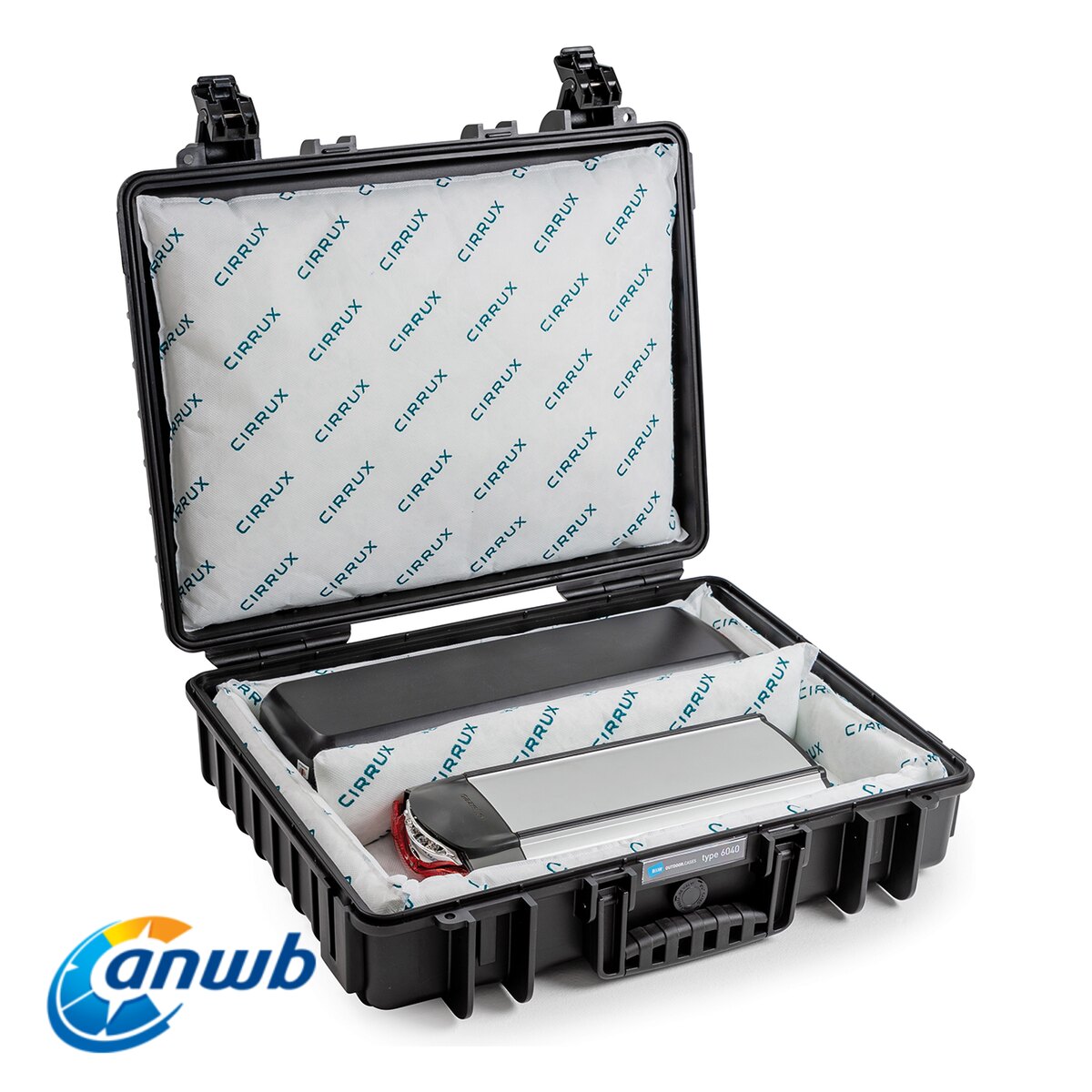
E-Bike Battery Safety Case
UN 3480 · P908 HomeBusiness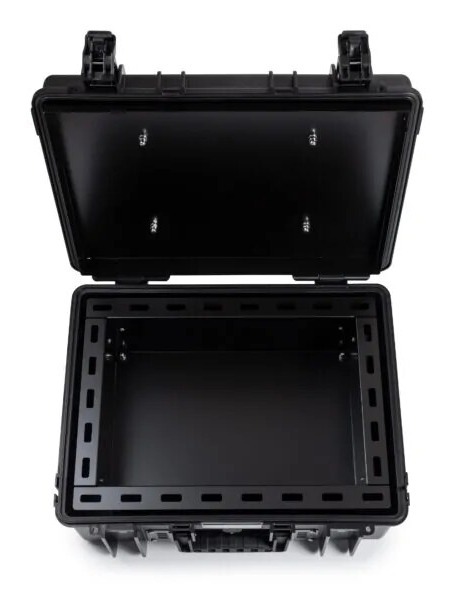
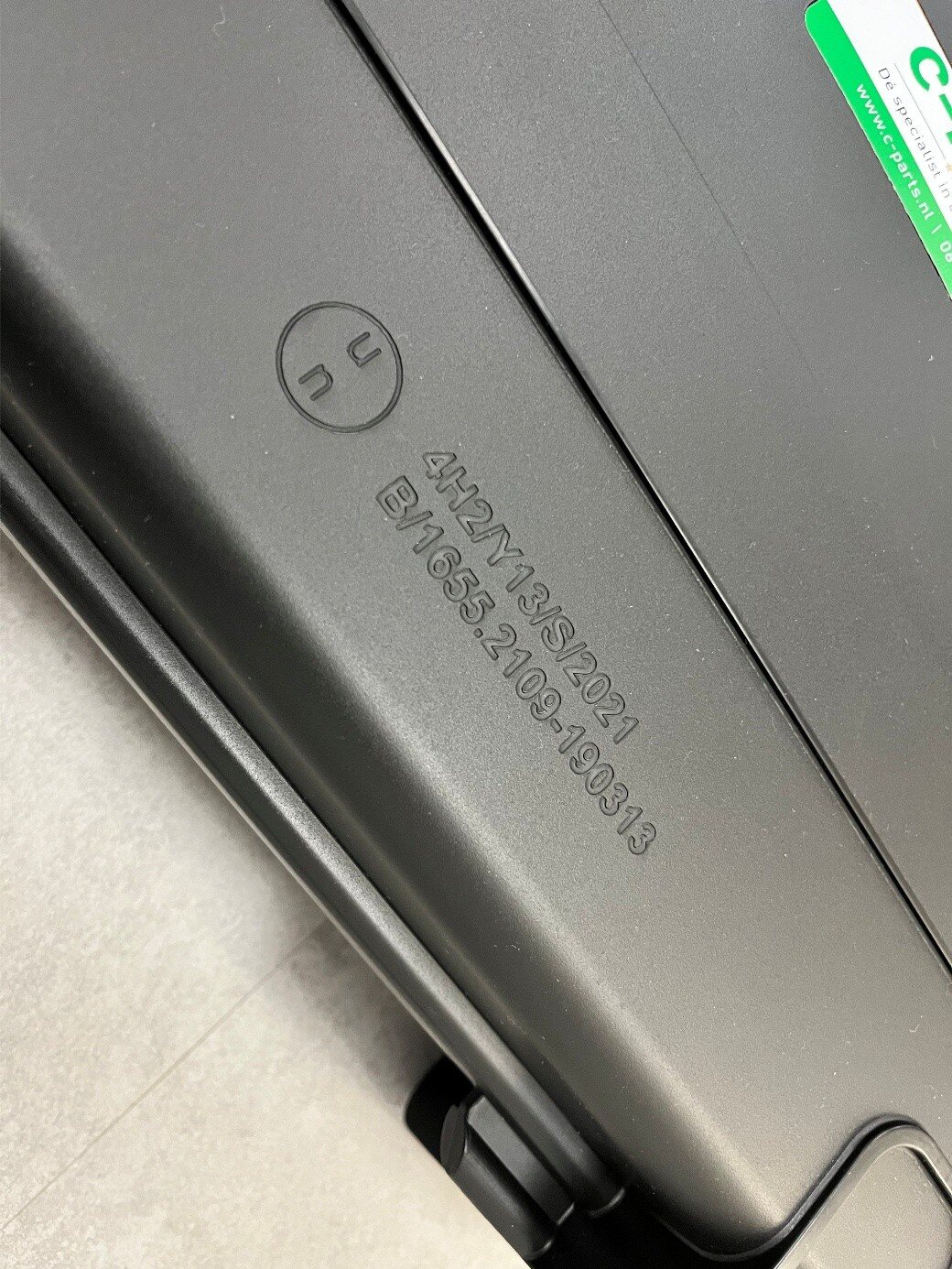
C-Parts Safety Case
Up to 8 kg · 13.3 litres · lifetime warranty Business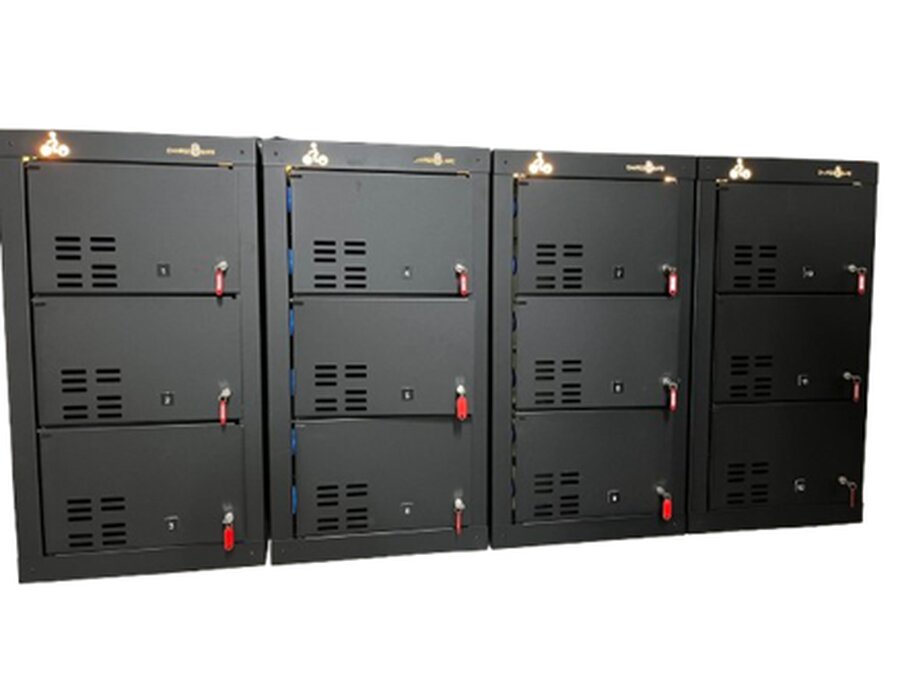
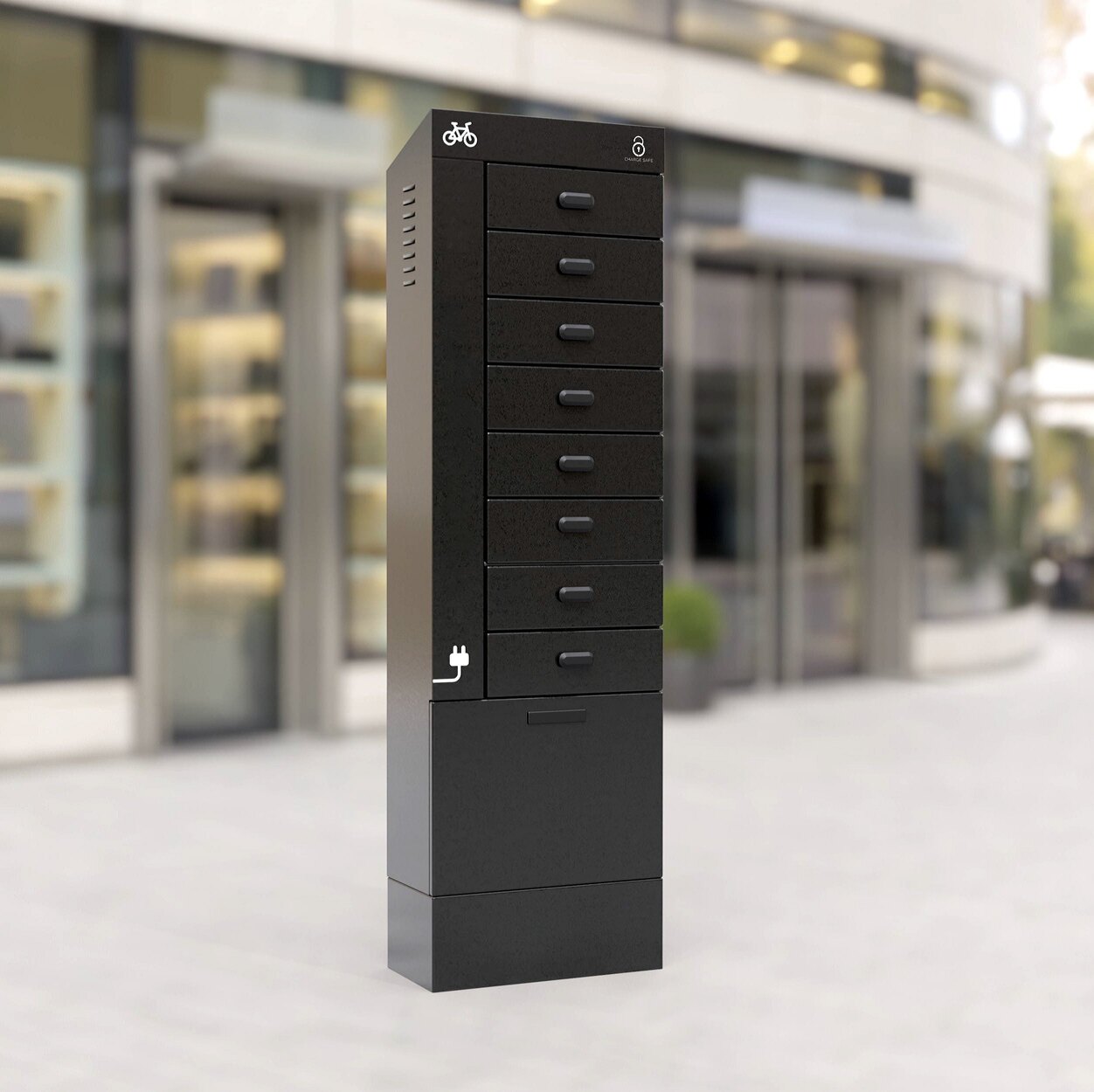
Charging Lockers
230 V per compartment · lockable · modular HomeBusiness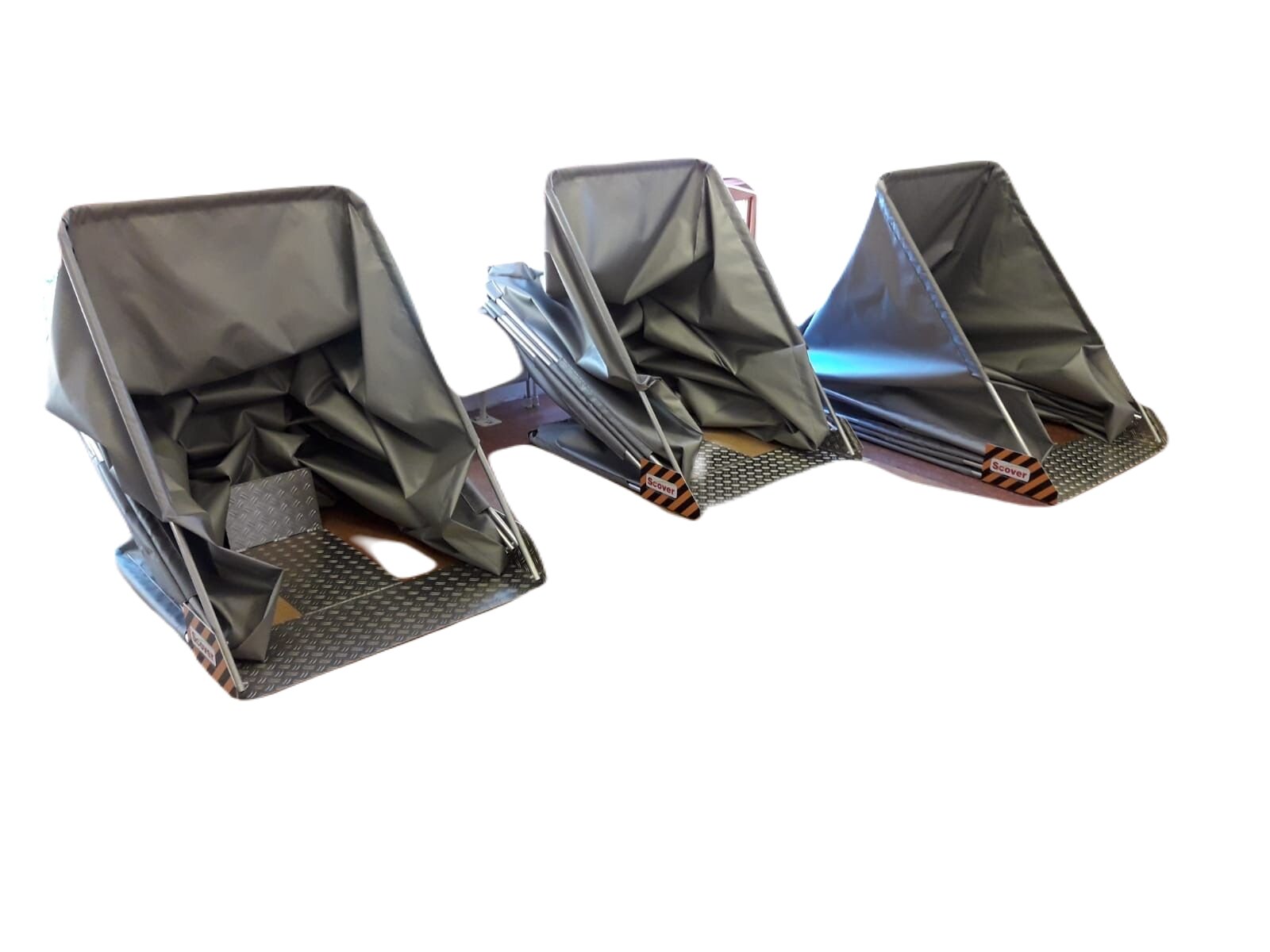
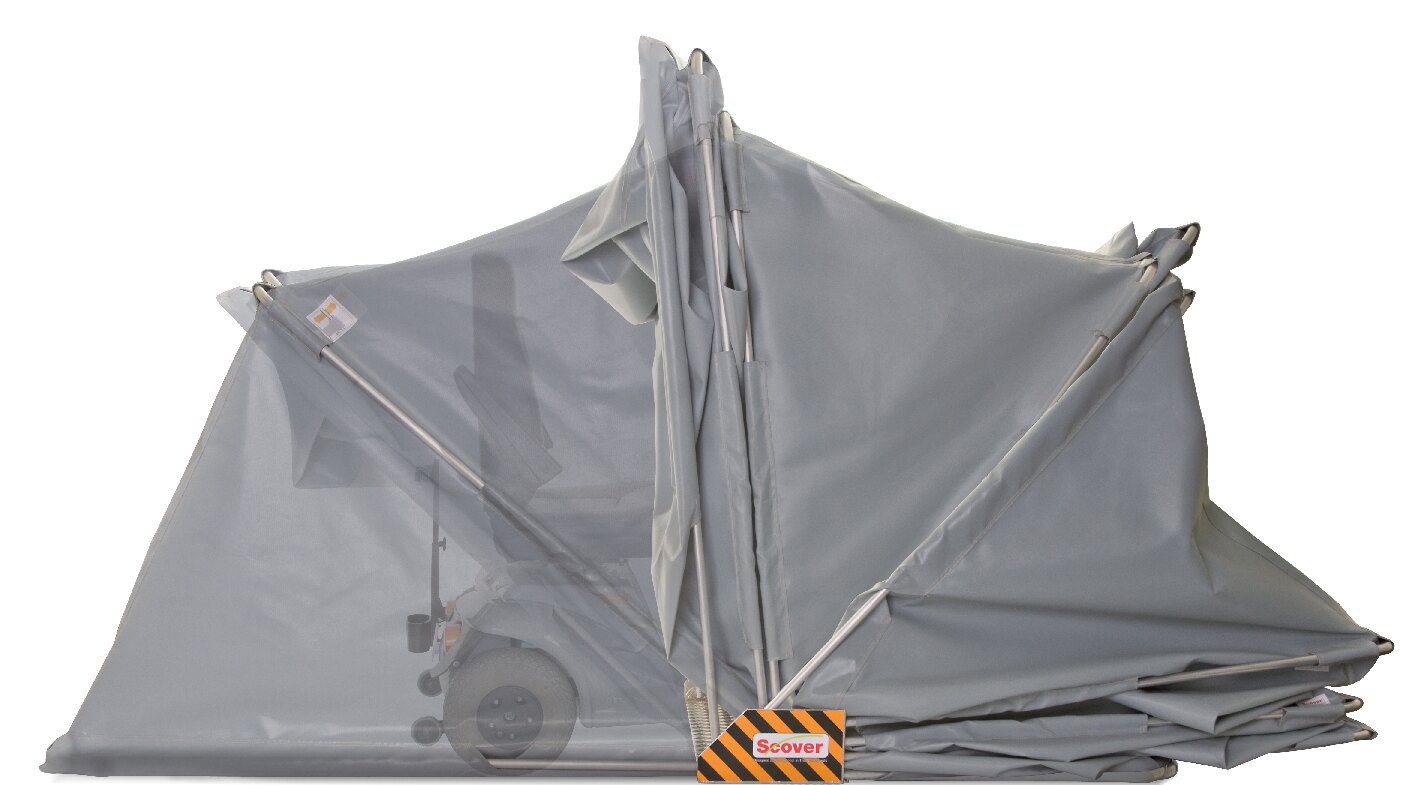
Mobility Scooter Fire Protection
KIWA certified · internal extinguisher Business
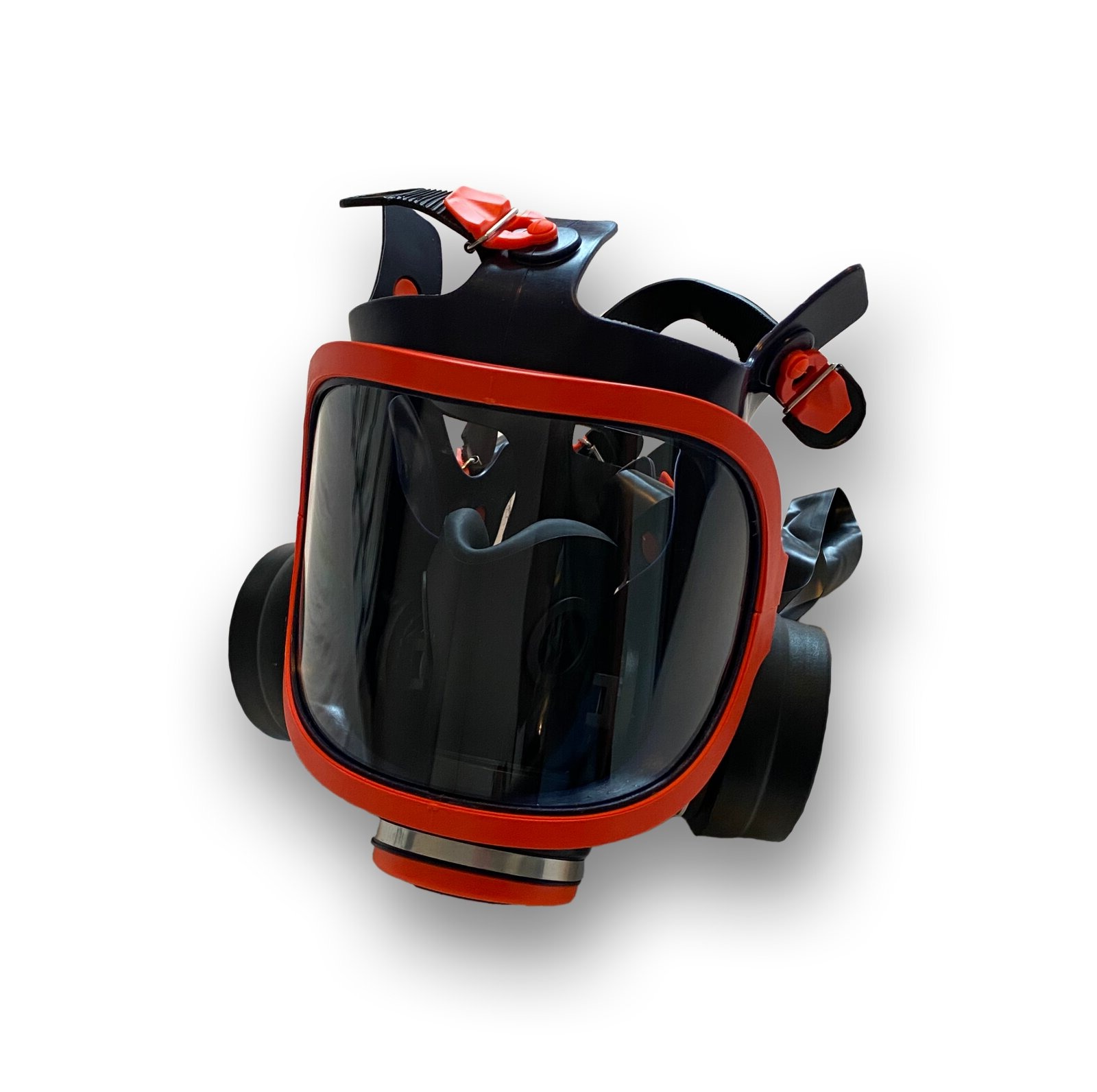
LFIM Intervention Mask
EN 136 · EN 166B · EN 14387 Business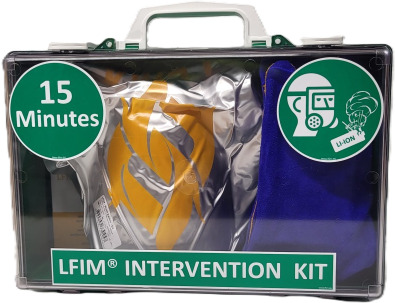
LFIM Intervention Kit
Wall mount · mask and gloves Business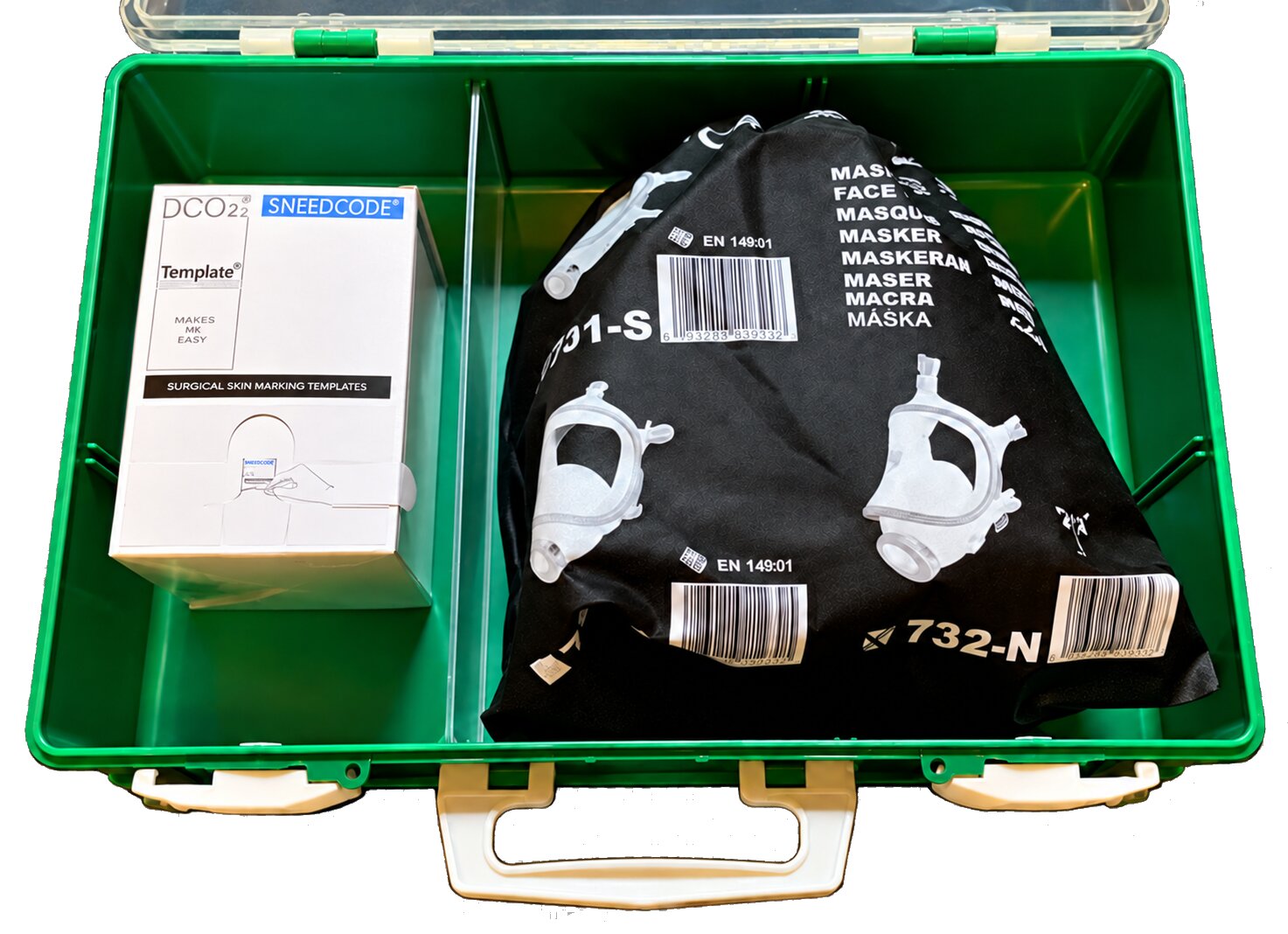
Training Mask Storage Box
Wall mount · training mask Business
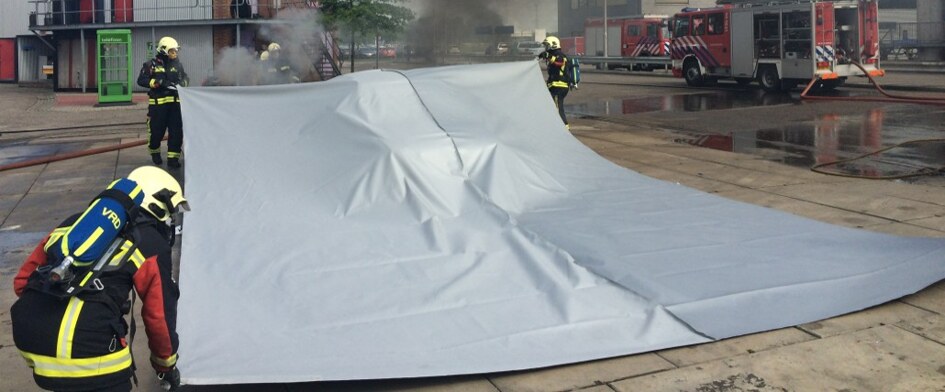
HT-IV 1000 Fire-Resistant Insulation Blanket
Thermal insulation HomeBusiness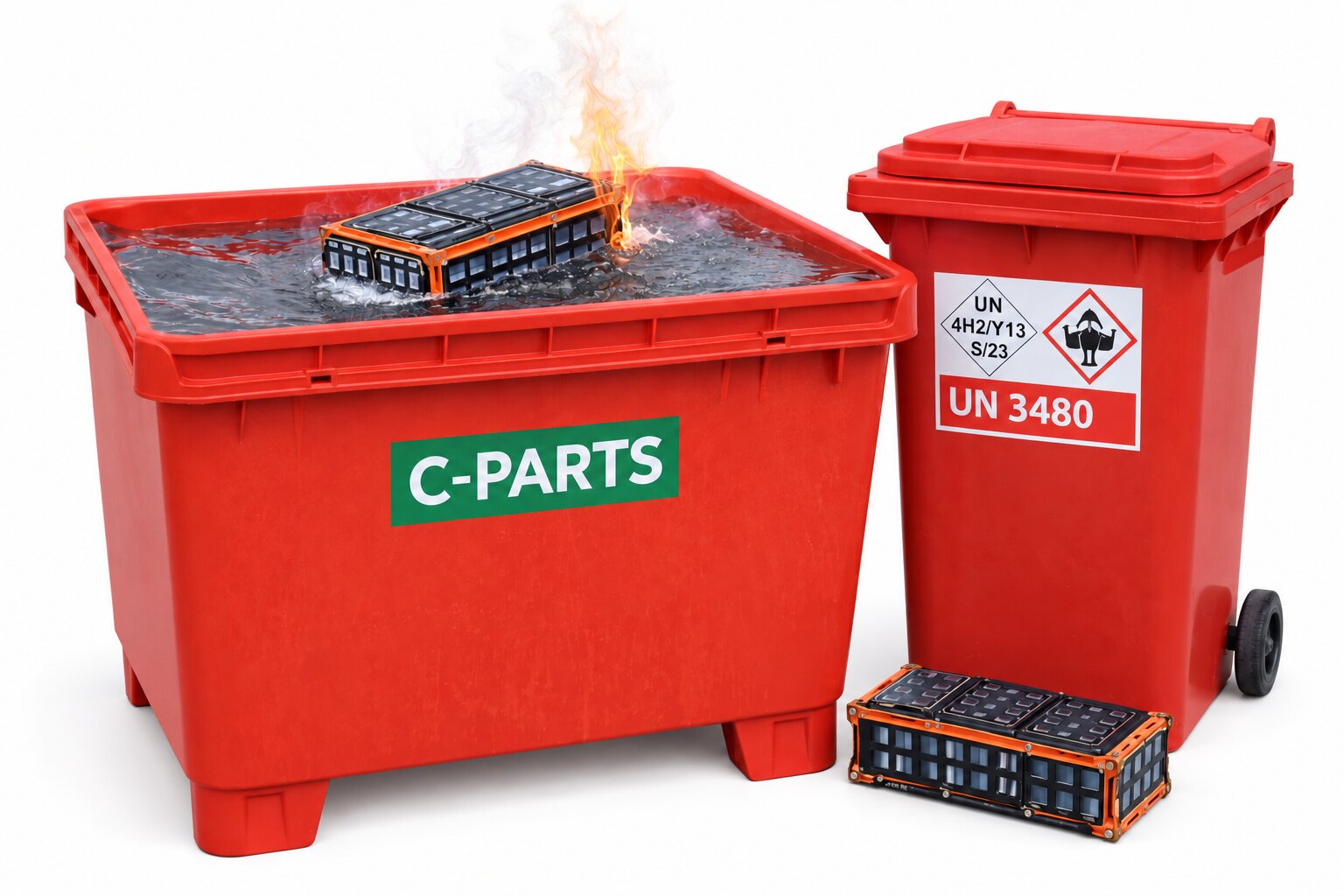
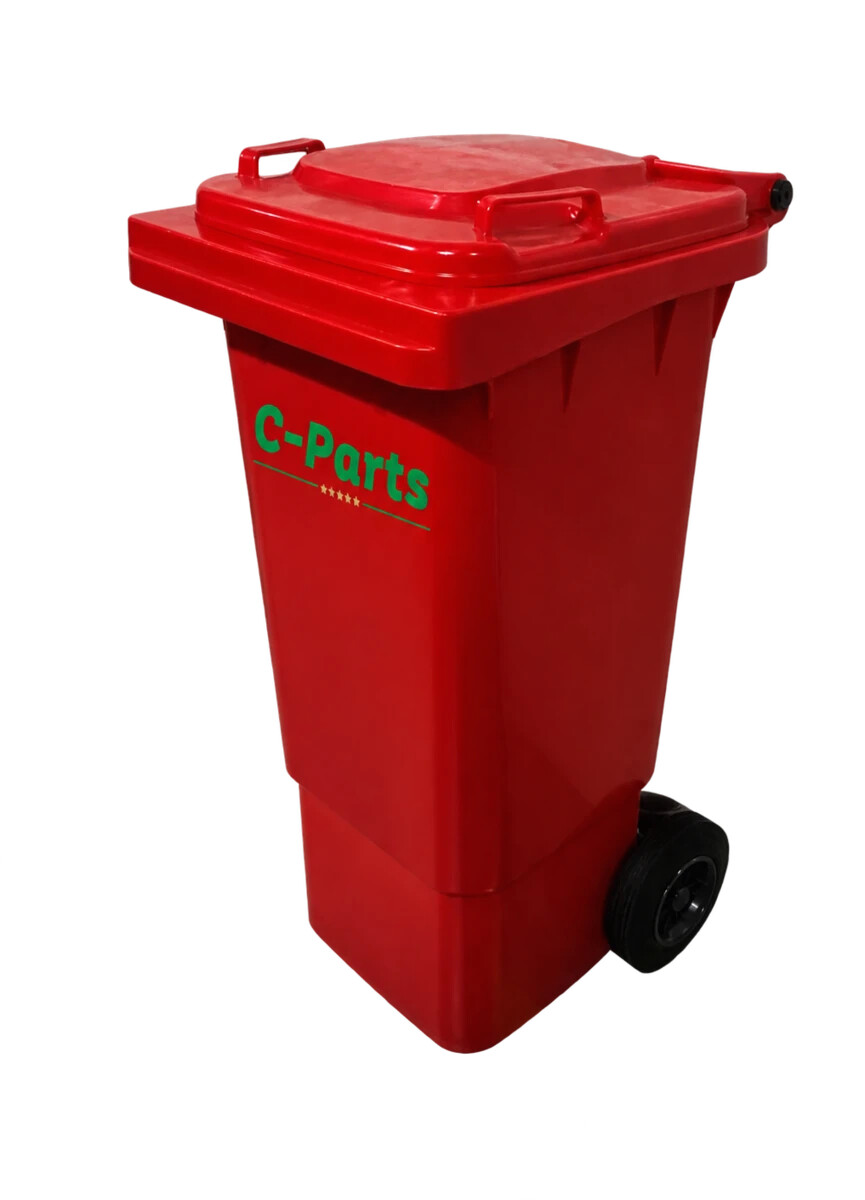
Immersion Tub
80 and 140 litres · wheeled Business
Protective Gloves
EN 388 · EN 407 · EN 12477 Business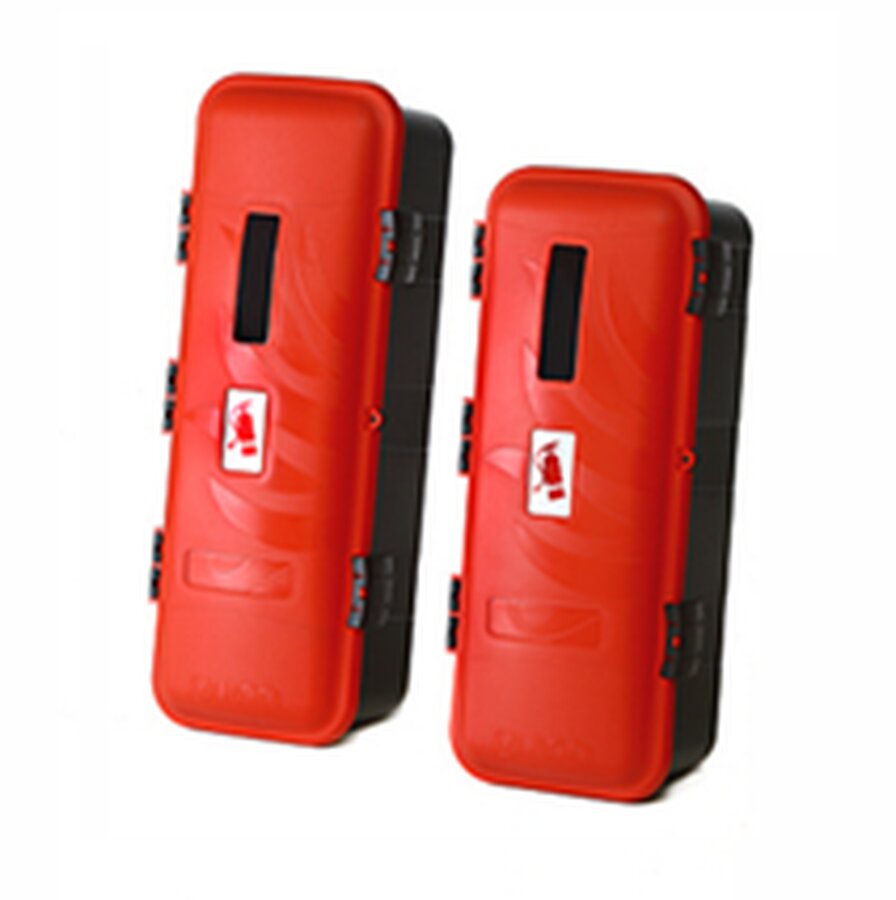
Easy Safe Extinguisher Cabinet
6 kg · 9 kg · 69 x 26 x 31 cm Business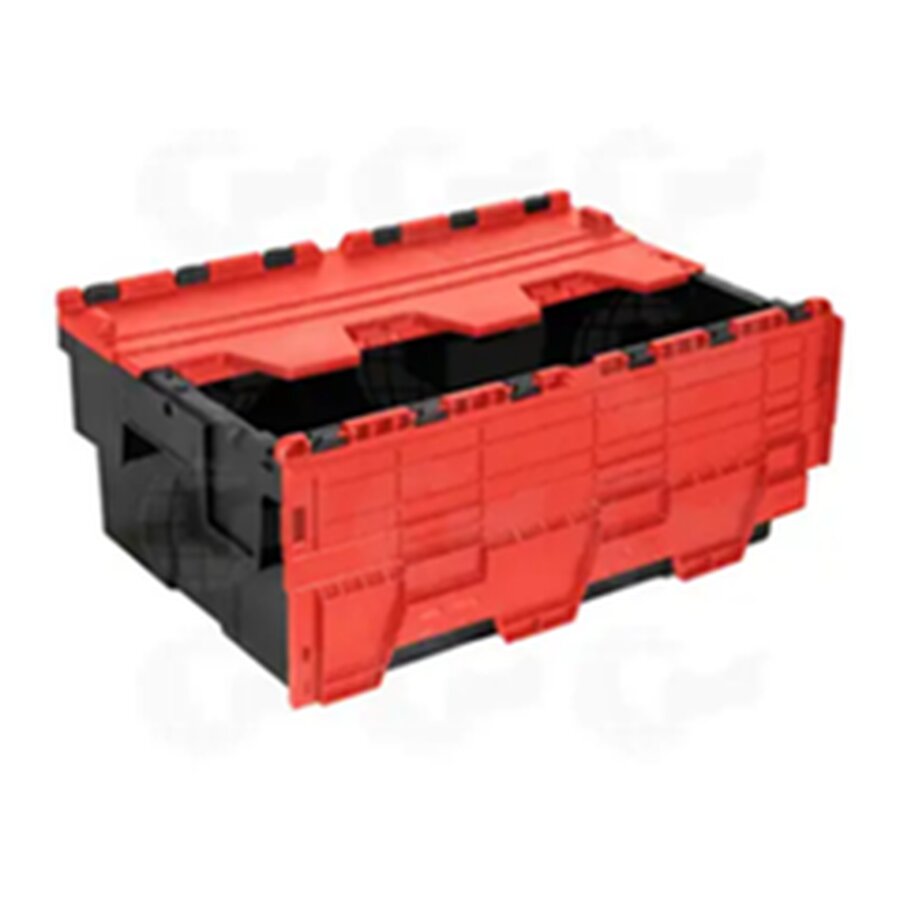
Storage & Distribution Box
40 litres · stackable · 600 x 400 x 310 mm Business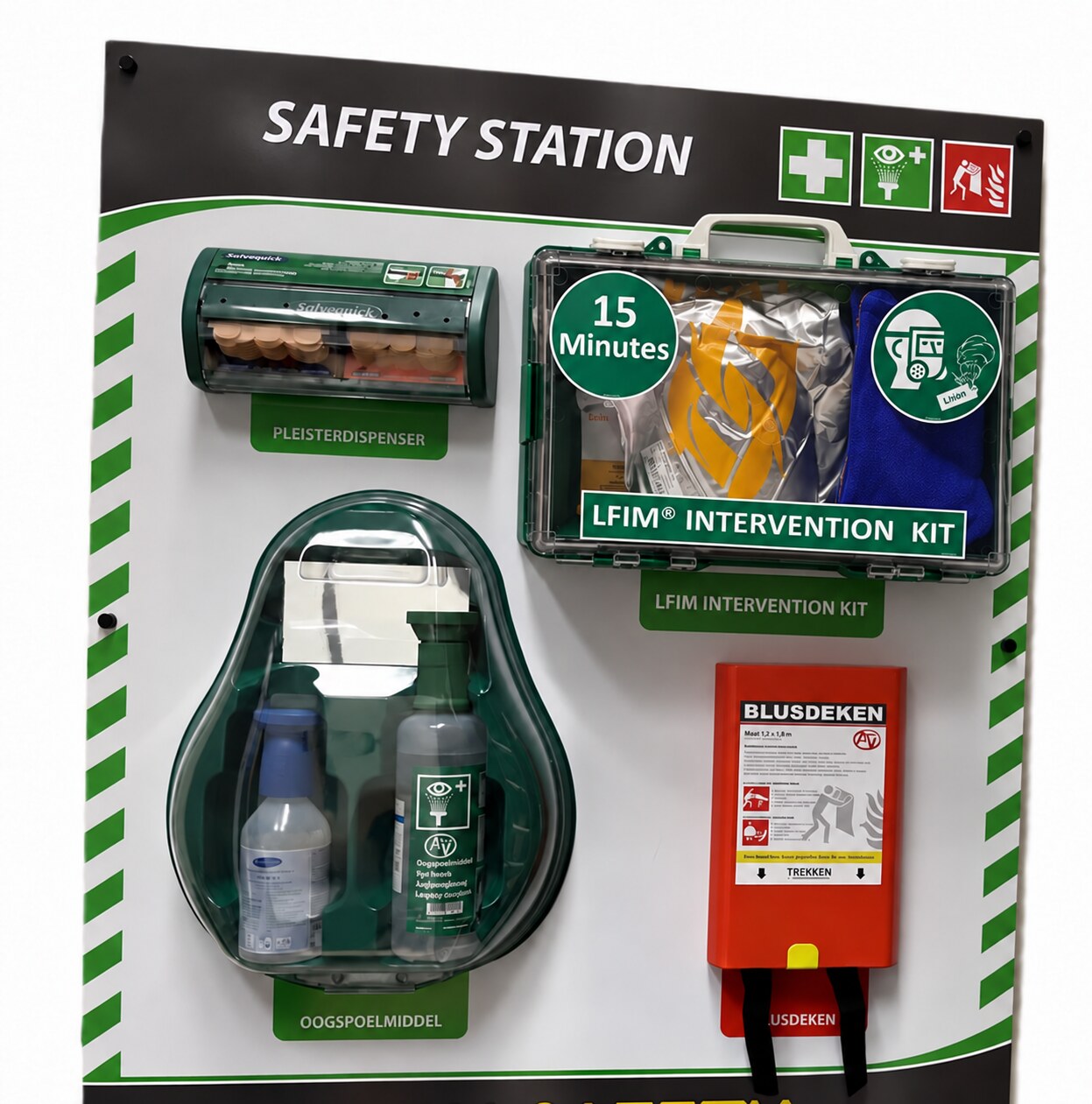
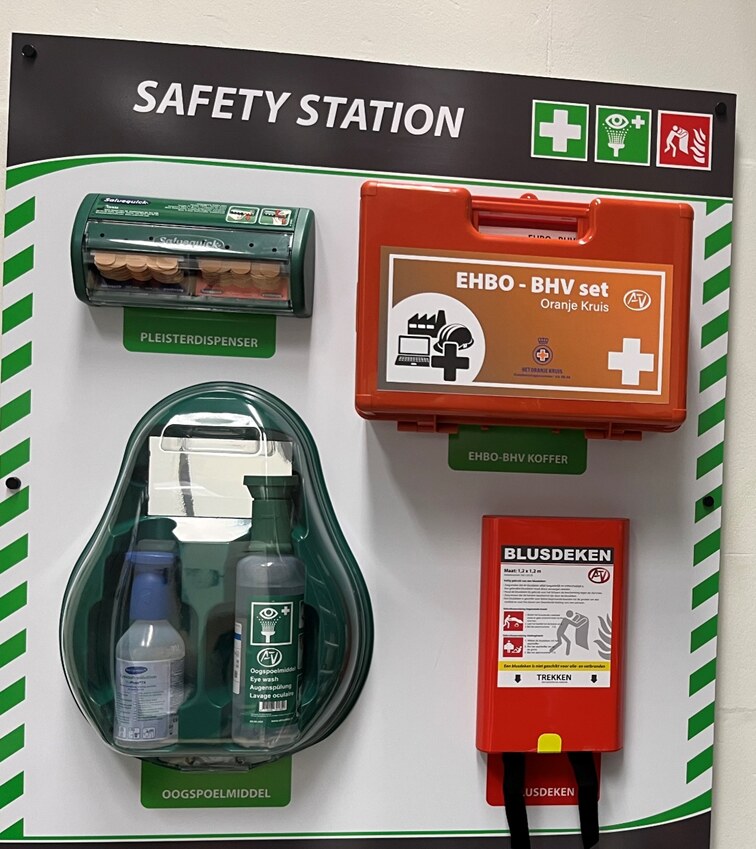
Safety Station
Wall board · 4 components Business

Flame Away Fire Suppressant
Throwable · decorative · solid materials HomeBusiness
Intervention Package
Personal protection and storage Business
Complete Package
The complete package for workshop and storage BusinessWhen standard sizes don't fit
For Bafang we built a modular battery cabinet, expandable per compartment so storage grows with the fleet.
Tell us what you store, how much it weighs and how the building is laid out. We'll work out which group it falls under and what is needed.
What buyers and prevention officers ask
From what quantity of batteries does PGS 37-2 apply to me?
Once you go above the lower limit per fire compartment. That limit is 1,000 kg for small cells and batteries that may be transported under ADR special provision 188, and 333 kg for other energy carriers. For damaged or defective batteries, the limit is considerably lower.
This concerns the gross weight of the energy carriers, including housing, but excluding the product they are built into. Up to 2,500 m², storage usually falls within the small or medium PGS typicals; above that, the assessment becomes more specific.
Is PGS 37-2 already a legal requirement?
Not yet. The Environment and Planning Information Point states that PGS 37-1 and 37-2 are currently guidelines and not yet legally binding via the Environment and Planning Activities Decree. The ministry names 01/01/2028 as the intended entry-into-force date of the amending decree.
Note: PGS 37-2 can already be imposed via permit conditions or the general duty of care. In practice, environmental agencies and safety regions already test against it.
If it isn't law yet, why should I act now?
For three reasons that already apply today. The Working Conditions Act requires a risk assessment (RI&E) that fits the risks in your business, and if batteries are charged or stored there, that belongs in it. Insurers include clauses on how and when charging is allowed.
And in the event of a fire, it is assessed afterwards whether you took reasonable measures, not whether there was a law at that moment.
Does PGS 37-2 also apply to batteries that are simply in use?
No, the guideline is about storage. Outside its scope are, among others: charging a battery inside the device itself, the working stock for the day in question plus one spare packaging unit, parking or storing vehicles and two-wheelers including active rental, and temporary transshipment up to 48 hours.
What exactly does my insurer ask for?
That differs per policy, but the recurring conditions are: charging with the manufacturer's original charger, charging only while staff are present, and sufficient distance between vehicles charging next to each other.
Check your own policy schedule, because in many policies, damage during charging is only covered if those conditions are met.
What do I do with a battery that is damaged or defective?
Keep it separate, because damaged and defective batteries carry stricter requirements than regular ones. For transport they must go into UN-approved packaging under packing instruction P908 or LP904, with extra protection against heat, shock and short-circuiting.
For storage, the lower limit above which PGS 37-2 starts to apply is considerably lower than for undamaged batteries.