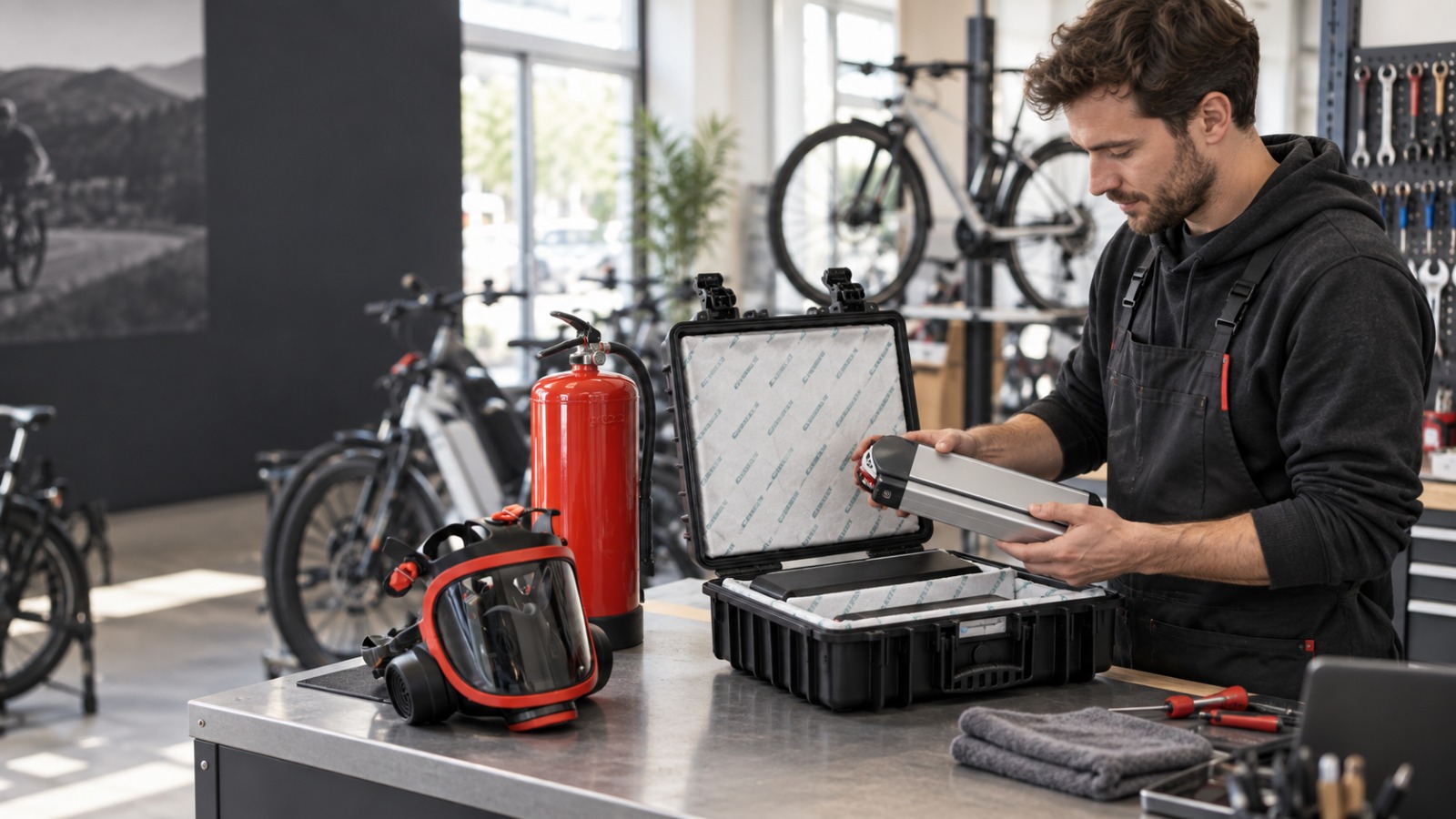

Control the risk. Protect the people.
The C-Parts system for lithium battery safety, from risk control to personal protection. For the one battery in your shed, and for the warehouse where there are a hundred.


Fire safety starts at the spot where the battery sits.
A lithium-ion battery that gets damaged or charges incorrectly can go into thermal runaway. The cell generates its own oxygen during that reaction, which is why extinguishing does not stop it. Cooling does work, but has to be kept up for a long time.
This is the C-Parts system for lithium battery safety: don't wait for an incident, be prepared for it. From risk control to personal protection, with cases and cabinets to store batteries closed, charging lockers to charge them under control, and intervention equipment for when things go wrong anyway. For one e-bike battery at home just as much as for a business that has to comply with PGS 37-2.
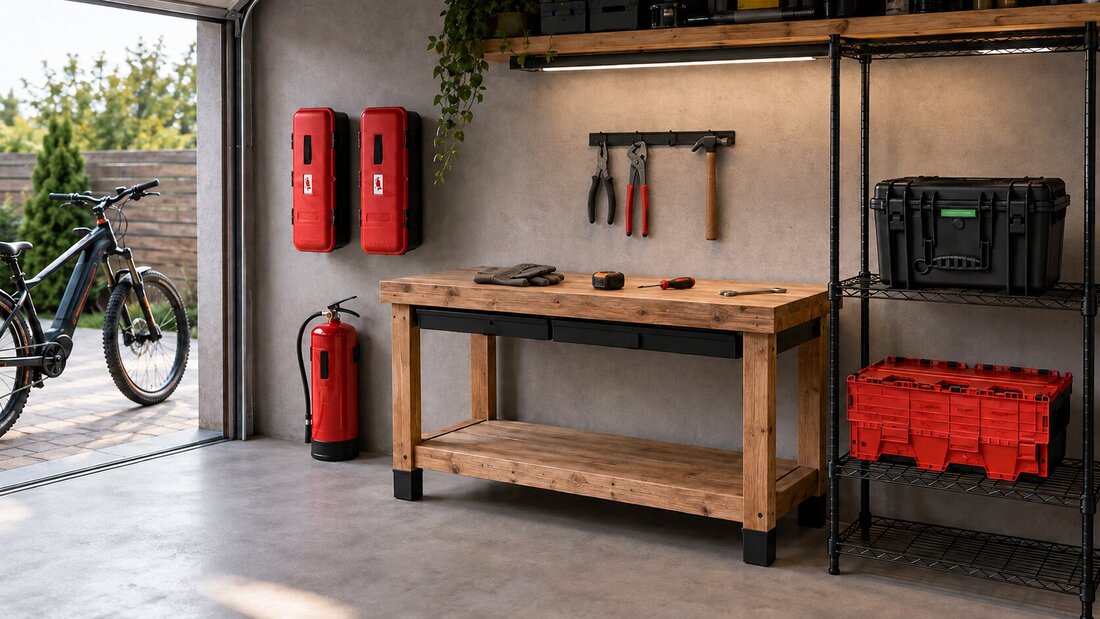
Prevent
The Dutch fire service focuses its public information on two moments: charging, and the period after a fall or a knock. A battery that sits closed, separated from the battery next to it, has less room to spread.
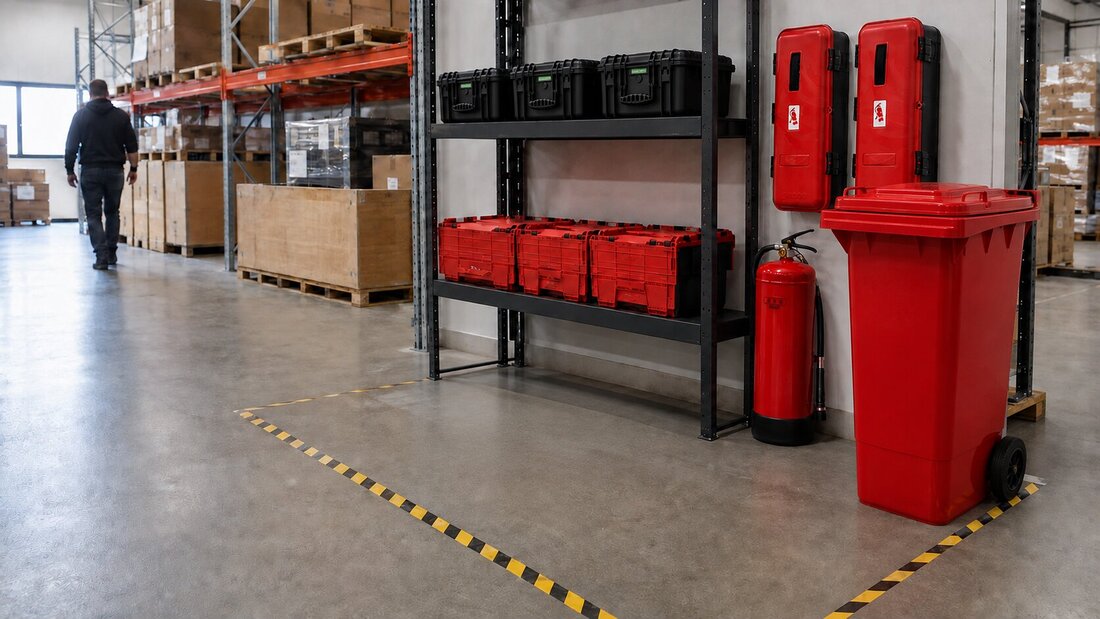
Contain
When things go wrong, the question is rarely whether you can extinguish that one battery. The question is whether it stays contained to that one battery, and whether the cooling is kept up long enough.
Intervene
A battery incident releases corrosive fumes as well as smoke. Anyone entering the space to check or evacuate needs more than a dust mask.
Explore the categories
From certified storage to intervention during an incident. Everything in one product range.
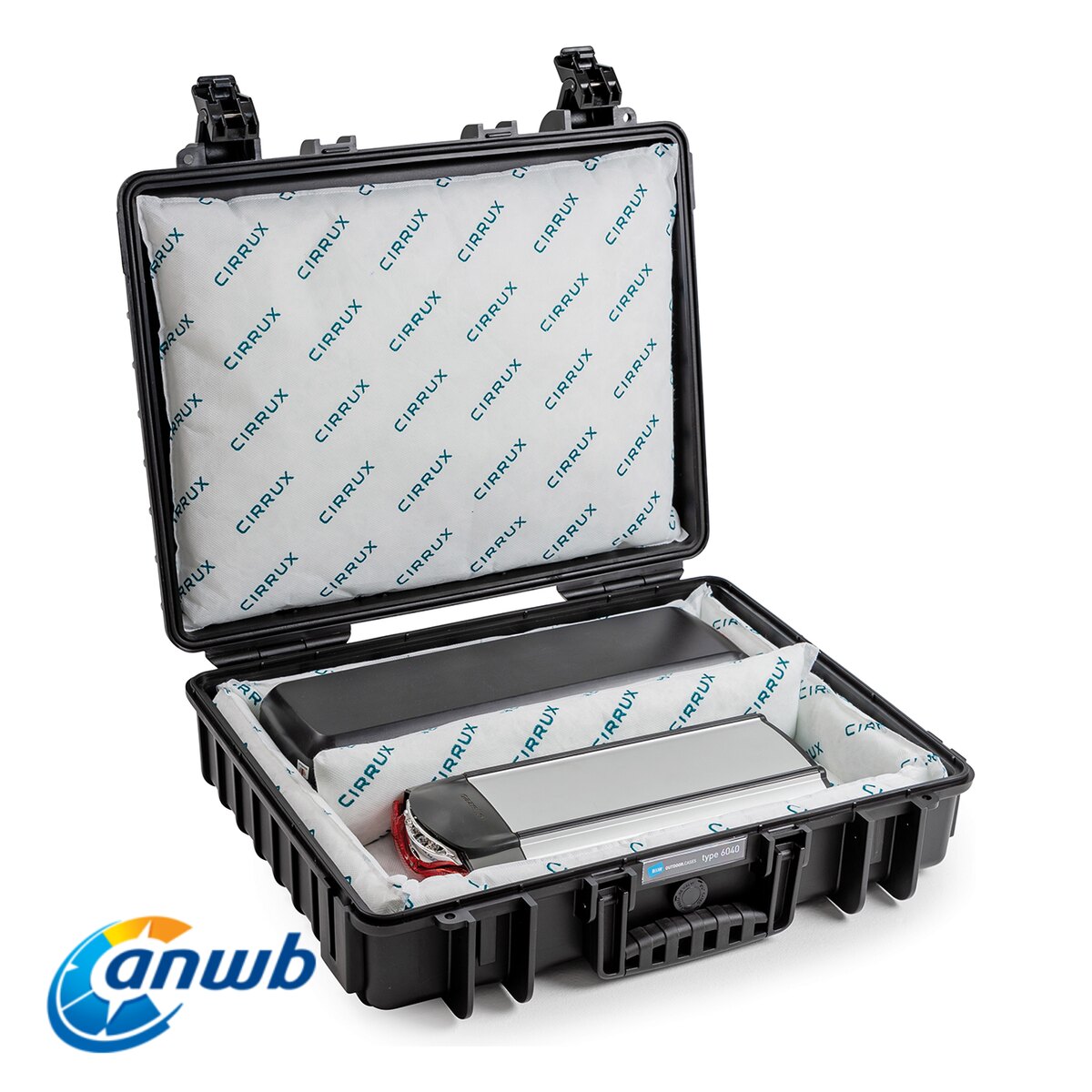
Storage and charging
Safety cases and charging lockers for e-bike and mobility scooter batteries.
4 products
Intervention
Masks, gloves, insulation blankets and immersion tubs for during an incident.
8 products
Transport
UN-approved cases and distribution boxes for batteries leaving the premises.
4 productsCustom builds
Nothing fits? Then we build a battery cabinet that does.
On request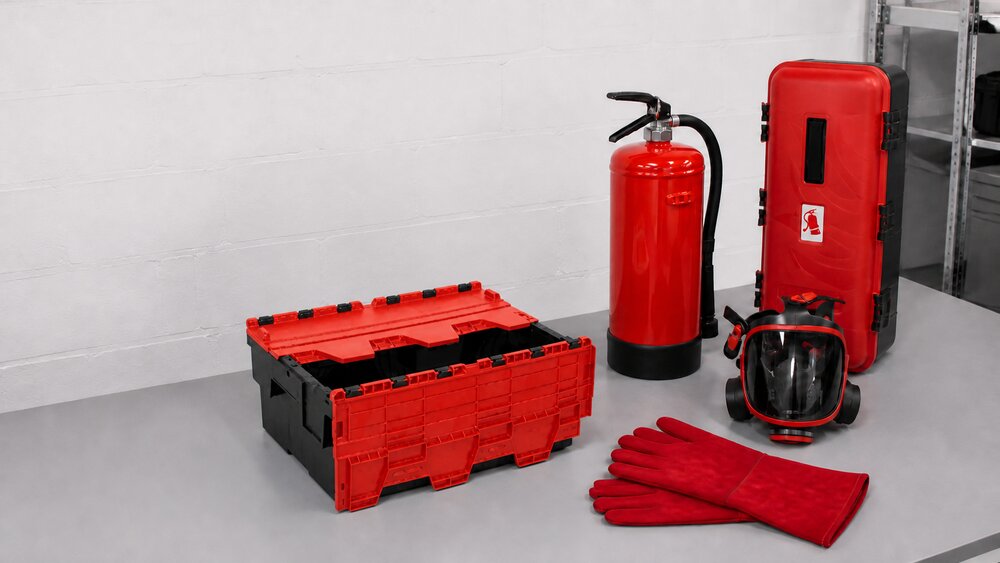 Full product range
All cases, lockers, intervention equipment and transport solutions in one place, with filters.
Full product range
All cases, lockers, intervention equipment and transport solutions in one place, with filters.
What PGS 37-2 asks of your battery storage.
PGS 37-2 describes how lithium-based batteries are stored safely. The guideline starts to apply once you go above 333 kg per fire compartment, or above 1,000 kg for small cells and batteries. Environmental agencies and safety regions already test against it today, and anchoring in the Environment and Planning Activities Decree is planned for 01/01/2028.
Nothing fits? We build it.
For Bafang we built a modular battery cabinet, expandable per compartment so storage grows with the fleet.
Does an existing cabinet not fit, or does the layout of your building rule out standard sizes? Then we design and build one that does fit, from first sketch to delivery.
Frequently asked questions
Is PGS 37-2 already a legal requirement?
Not yet. PGS 37-2 is currently a guideline and has not yet been anchored in the Environment and Planning Activities Decree. According to the Environment and Planning Information Point, that anchoring is planned for 2028, and the ministry names 01/01/2028 as the intended entry-into-force date.
In practice, environmental agencies and safety regions already test against it today, and PGS 37-2 can still be imposed via permit conditions or the general duty of care. Not yet law does not mean optional, then.
From what quantity of batteries does PGS 37-2 apply to my business?
The guideline applies once you go above the lower limit per fire compartment. That limit is 1,000 kg for small cells and batteries that may be transported under ADR special provision 188, and 333 kg for other energy carriers. For damaged or defective batteries, the limit is considerably lower.
This concerns the gross weight of the battery itself, including housing, but excluding the device it sits in.
Do these rules also apply to me as a private individual?
No. PGS 37-2 is aimed at commercial storage. The draft decree meant to anchor the rules in law explicitly states that private individuals with a home battery or an electric vehicle fall outside the decree.
So there is no legal requirement to have a battery case at home. The reason to get one anyway is that a battery fire indoors develops quickly and severely.
Am I allowed to charge my e-bike battery indoors?
Yes, but do it deliberately. The Dutch fire service advises: always use the original charger, charge as much as possible while you are nearby, unplug the charger as soon as the battery is full, choose a non-combustible surface, and install a smoke alarm where you charge.
A closed, fire-safe case keeps flame and smoke contained the moment something does go wrong.
Why can't I just put out a battery fire with water?
Because a lithium battery generates its own oxygen during a thermal runaway. Extinguishing does not stop that chain reaction. What does work is cooling, and you have to keep it up, because as long as the battery stays warm it can reignite.
That is why immersion is the method to prevent reignition, rather than extinguishing once. In battery fires, temperatures can reach up to 1500 °C.
My battery has fallen. Can I just keep using it?
A fall is one of the main causes of later battery fires, even if you cannot see anything on the outside. The damage sits inside and can show up days or weeks later.
Have a battery that has fallen checked, and do not charge it unattended until then. The same applies if the housing is swollen or deformed: that battery no longer belongs on the charger.